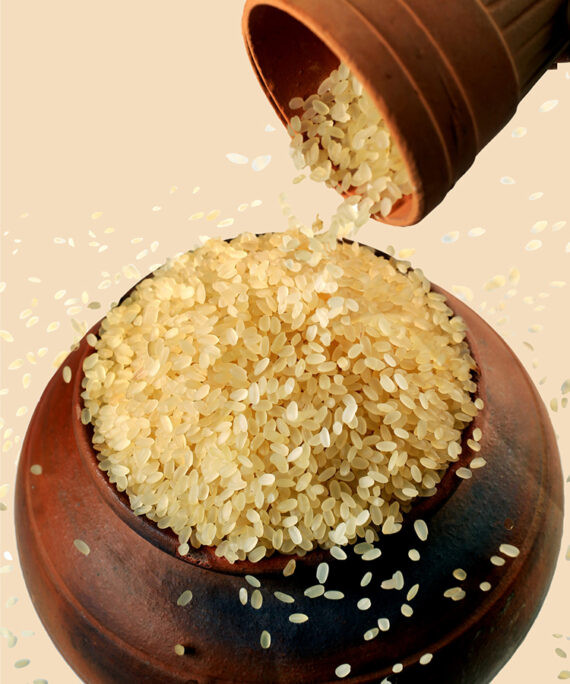
Colour & Appearance
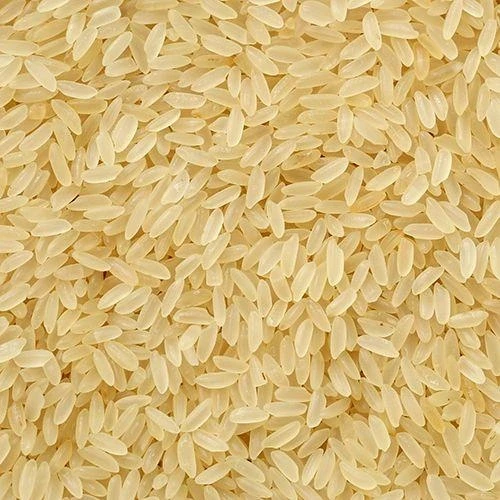
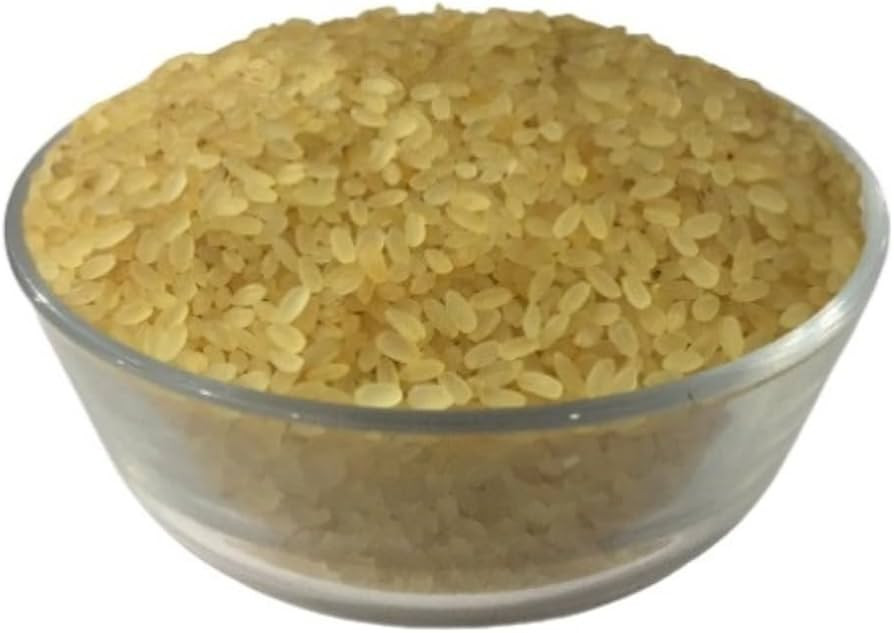
- Usually light brown,
reddish, or off-white (depending on polishing)
- Grains are short to
medium-sized and slightly thick
- Often looks coarser
than fine rice like Jeerakasala
Texture
- When cooked, it becomes firm,
slightly chewy, and less sticky
- Holds shape well after
cooking
Taste
- Has a mild earthy, nutty
flavor
- Less aromatic compared to
premium varieties like biryani rice
Common Uses
- Widely used as daily
staple rice in many parts of Kerala
- Suitable for: Plain rice
meals (choru), Kanji (rice porridge),Traditional home-style dishes
- Preferred for its filling
nature and affordability
Key
Health Benefits Nutritional Contents (Approximate)
- Carbohydrates – High (primary energy
source)
- Dietary fiber – Moderate (higher if
semi-polished)
- Protein – Small to moderate amount
- Contains: Iron, Magnesium,
B vitamins
Health
Benefits
1.
Provides sustained energy
for daily activities
2.
Slightly heavier and more filling
→ helps reduce overeating
3.
Contains more fiber than polished
white rice and Helps in smooth bowel movement
4.
Works well with balanced Kerala
meals (curries, vegetables, fish)
5.
If semi-polished, it has a slightly
lower glycemic impact
Demerits
& Side Effects Possible Issues
1.
High Carbohydrate Content-
Like all rice, excessive intake can: Increase blood sugar and Lead to weight
gain
2.
Can Be Heavy to Digest (for some people)-Especially if: Eaten in large portions, Not well-cooked
3.
Lower Nutrient Density (if highly polished)-Polishing removes: Fiber and Some vitamins and minerals
|