Quantity:
(9
available)
Palm oil
Estimate Shipping Time:
1 Days
Price:
Discount Price:
₹ 260.00
/Litre
(Inclusive of all taxes)
SKU:
Palm oil
Share & Earn:
• Colors and Appearance
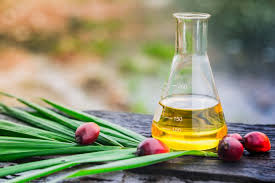
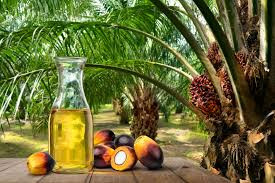
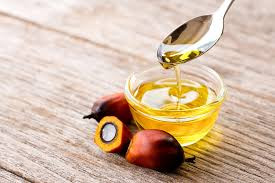
- Golden yellow to reddish-orange in color, depending on the level of refining.
- Refined palm oil is light yellow and clear.
- Smooth, clean, and glossy appearance.
- Free-flowing liquid at warm temperatures and semi-solid in cooler conditions.
- Pure palm oil is free from impurities and sediments.
• Taste
- Mild and neutral flavor in refined palm oil.
- Unrefined palm oil has a rich, slightly earthy taste.
- Does not overpower the natural flavor of foods.
- Suitable for both savoury and sweet recipes.
- Pleasant aroma with good cooking stability.
• Common Use
- Widely used for deep frying, shallow frying, and sautéing.
- Common ingredient in biscuits, bakery products, chocolates, and confectionery.
- Used in margarine, shortenings, and processed foods.
- Suitable for preparing snacks, instant noodles, and ready-to-eat foods.
- Used in the manufacture of soaps, cosmetics, candles, and personal care products.
- Commonly used in commercial and industrial food production.
• Nutrition Content
Palm Oil contains:
- Rich source of saturated and monounsaturated fats.
- Vitamin E compounds (tocopherols and tocotrienols).
- Natural antioxidants, especially in unrefined red palm oil.
- Small amounts of vitamin K.
- Naturally free from carbohydrates and protein.
- Cholesterol-free in its pure plant-based form.
- Provides a high amount of energy due to its fat content.
• Health Benefits
- Provides a concentrated source of energy.
- Contains vitamin E antioxidants that help protect cells from oxidative stress.
- Tocotrienols may support normal brain and heart health.
- Stable at high cooking temperatures, making it suitable for frying.
- Helps in the absorption of fat-soluble vitamins such as A, D, E, and K.
- Red palm oil contains natural carotenoids that support eye health.
• Disadvantages
- High in saturated fat; excessive consumption may increase LDL (bad) cholesterol in some individuals.
- Calorie-dense and may contribute to weight gain if consumed in excess.
- Highly processed palm oil products may contain fewer beneficial nutrients.
- Excessive intake may increase the risk of heart disease when part of an unhealthy diet.
- Large-scale palm oil production has environmental concerns, including deforestation in some regions.
- Should be consumed in moderation as part of a balanced diet.
• Product Summary
Palm Oil is a versatile vegetable oil extracted from the fruit of oil palm trees. It is valued for its excellent cooking stability, long shelf life, and wide range of culinary and industrial applications. Rich in healthy fats, vitamin E compounds, and natural antioxidants, palm oil provides energy and supports the absorption of essential nutrients. It is widely used in cooking, baking, processed foods, and personal care products. When consumed in moderation as part of a balanced diet, palm oil can be a practical and reliable cooking oil for everyday use.
There have been no reviews for this product yet.