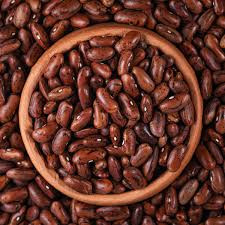
Rajma Red Kidney Beans
• Colors And Appearance
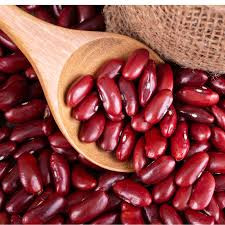
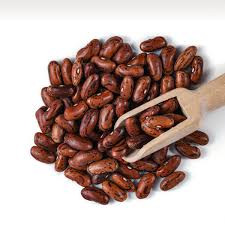
· Usually deep red in color, but also available in light red, brown, and speckled varieties.
· Kidney-shaped beans with a smooth, firm outer surface.
· Uniform in size with a glossy appearance when dried.
· Becomes soft and plump after soaking and cooking.
• Taste
· Mild, earthy, and slightly sweet flavor.
· Soft and creamy texture on the inside when properly cooked.
· Absorbs spices and seasonings well, making it ideal for flavorful dishes.
· Pairs well with rice, vegetables, and a variety of herbs and spices.
• Common Use
· Widely used to prepare traditional Rajma Masala.
· Commonly served with rice as the popular Rajma Chawal.
· Added to salads, soups, stews, wraps, and grain bowls.
· Used in Mexican-inspired dishes such as burritos, tacos, chili, and bean fillings.
· Can be mashed into spreads, patties, and vegetarian burger fillings.
• Nutrition Content
· Rich in plant-based protein.
· Excellent source of dietary fiber.
· Contains complex carbohydrates that provide long-lasting energy.
· Good source of B-complex vitamins, especially folate.
· Provides essential minerals including Iron, Magnesium, Potassium, Phosphorus, and Zinc.
· Rich in antioxidants and naturally low in fat.
· Cholesterol-free and suitable for a balanced vegetarian diet.
• Health Benefits
· Supports muscle growth and tissue repair due to its high protein content.
· Dietary fiber promotes healthy digestion and helps prevent constipation.
· May help reduce LDL (bad) cholesterol and support heart health.
· Low glycemic index helps maintain stable blood sugar levels when consumed in moderation.
· Keeps you feeling full for longer, helping control appetite and support healthy weight management.
· Complex carbohydrates provide sustained energy throughout the day.
· Antioxidants help protect body cells from oxidative stress.
• Disadvantages
· Raw or undercooked rajma contains natural compounds that can cause nausea, vomiting, and stomach pain; it should always be soaked and thoroughly cooked before consumption.
· Excessive consumption may cause gas, bloating, or digestive discomfort.
· Contains natural anti-nutrients (such as phytates) that may slightly reduce mineral absorption; soaking and proper cooking help minimize this effect.
· People with weak digestion or kidney disorders should consume rajma in moderation as advised by a healthcare professional.
· Excess intake without adequate water may contribute to digestive discomfort.
· Best consumed as part of a balanced and varied diet.
• Product Summary
Rajma Read Kidney Beans is a nutritious, protein-rich legume widely enjoyed for its mild earthy flavor, creamy texture, and versatility in cooking. It is a staple ingredient in Indian dishes such as Rajma Masala and Rajma Chawal, and is also popular in soups, salads, wraps, and Mexican-inspired recipes. Rich in plant-based protein, dietary fiber, complex carbohydrates, essential minerals, B-complex vitamins, and antioxidants, rajma supports muscle health, digestion, heart health, and sustained energy. When properly soaked, thoroughly cooked, and consumed in moderation as part of a balanced diet, rajma is a wholesome and nourishing addition to everyday meals.