Quantity:
(10
available)
Sorghum Brown Top Millet
Estimate Shipping Time:
1 Days
Price:
Discount Price:
₹ 40.00
/gm
(Inclusive of all taxes)
SKU:
Brown-500
Share & Earn:
- Colors and Appearance
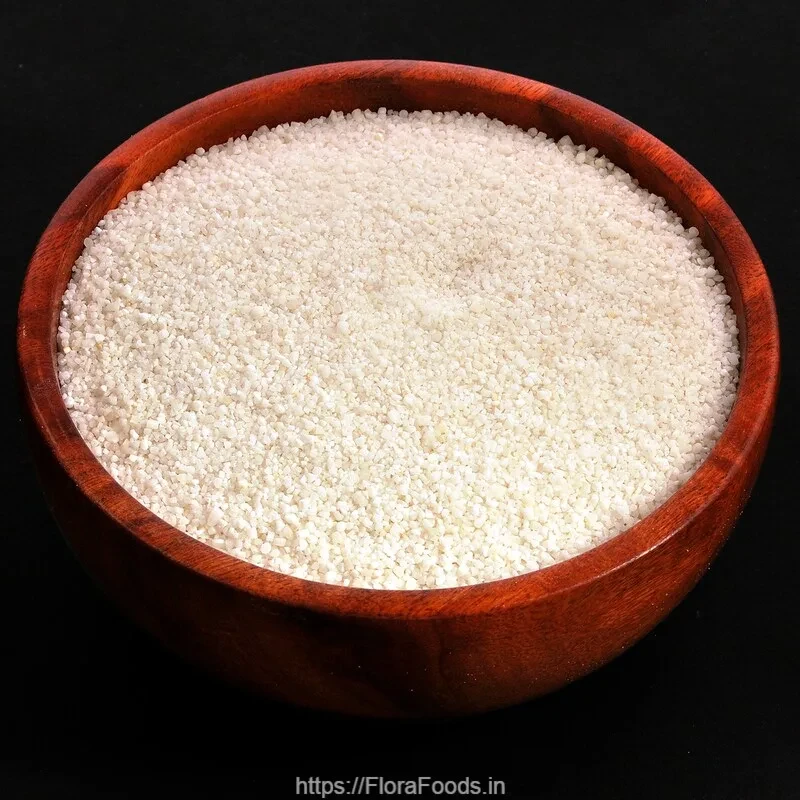
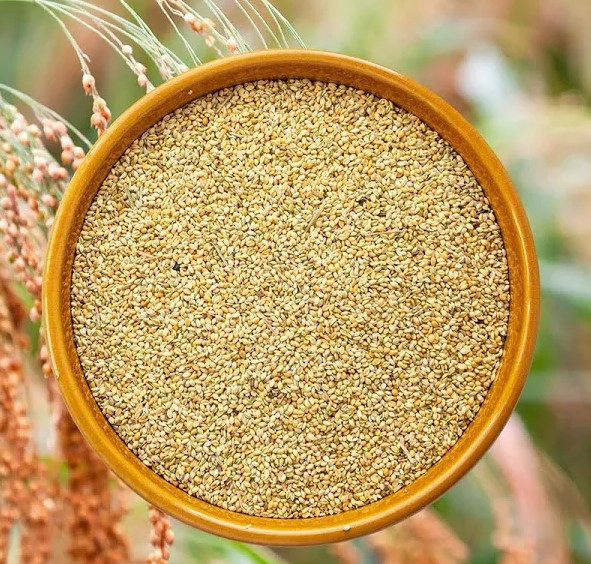
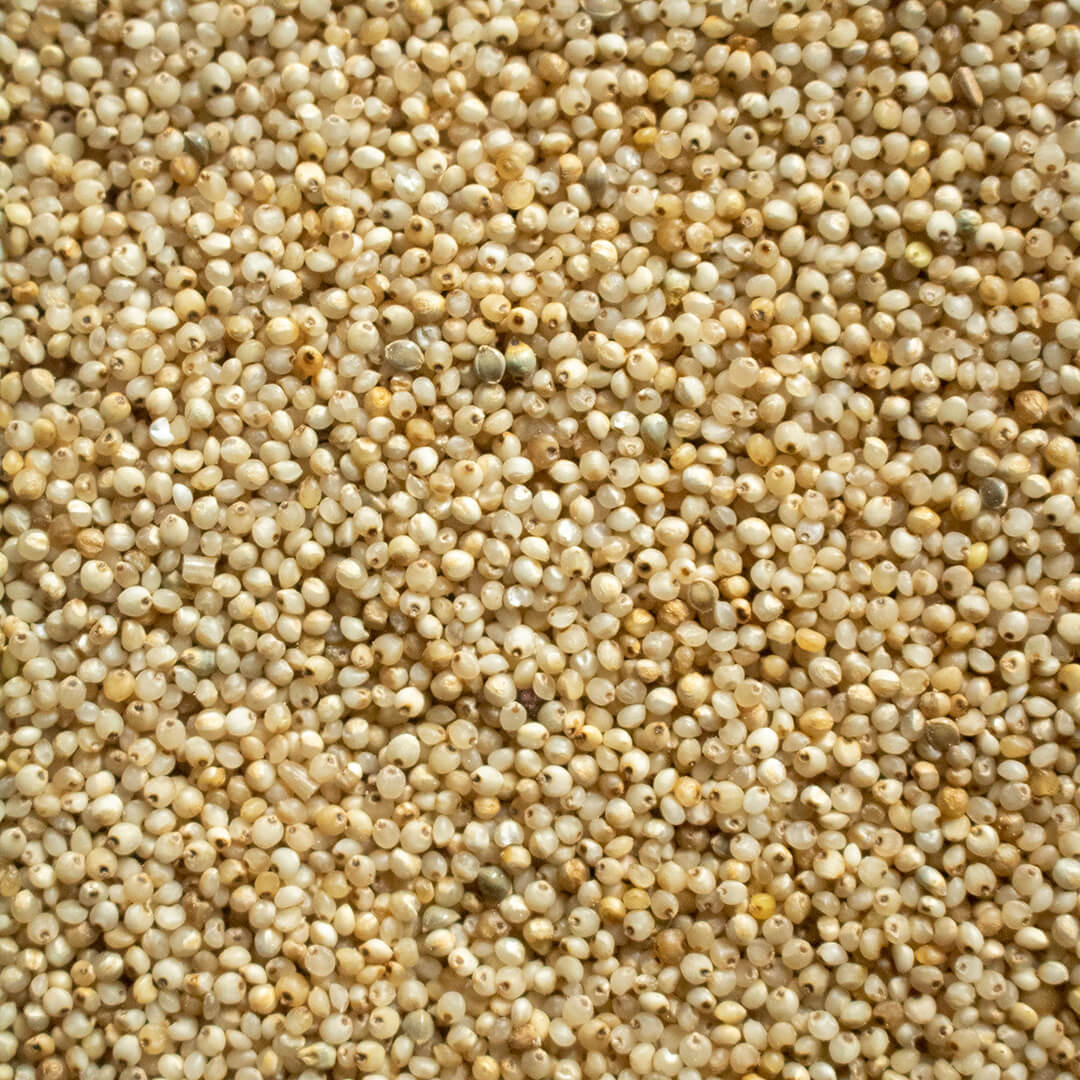
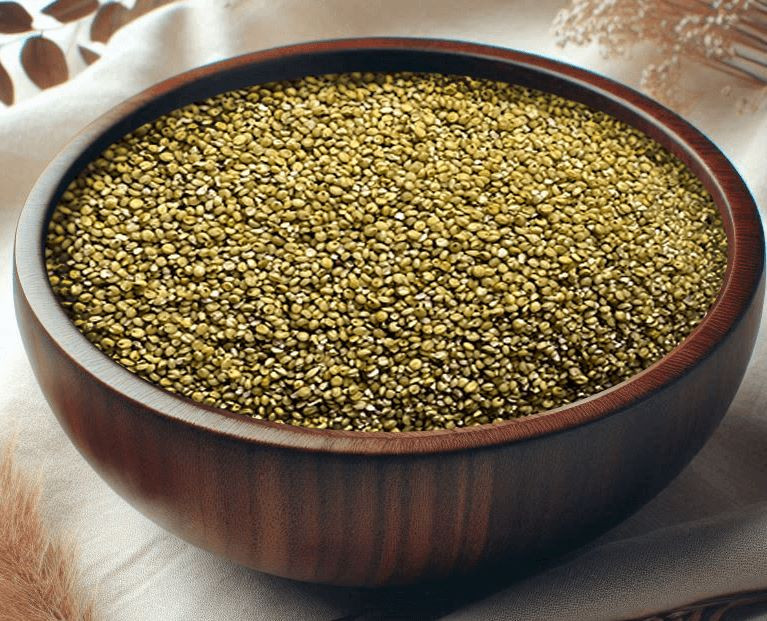
- Small, round grains with a light brown to dark brown color.
- Hard outer covering with a smooth and compact texture.
- Available as whole grains, millet flour, and processed millet products.
- Fresh grains are clean, uniform in size, and naturally glossy.
- Taste
- Mild, earthy, and slightly nutty flavor.
- Develops a pleasant aroma when roasted or cooked.
- Cooked grains have a soft, fluffy texture.
- Blends well with vegetables, spices, and both savory and mildly sweet dishes.
- Common Use
- Used as a healthy alternative to rice in everyday meals.
- Prepared as porridge, upma, khichdi, pulao, and millet bowls.
- Ground into flour for making rotis, dosas, idlis, pancakes, and baked products.
- Added to breakfast cereals, soups, salads, health mixes, and multigrain flour blends.
- Popular in gluten-free, high-fiber, and healthy diet recipes.
- Nutrition Content
- Rich source of complex carbohydrates and dietary fiber.
- Contains plant-based protein and essential amino acids.
- Good source of iron, magnesium, phosphorus, potassium, zinc, and manganese.
- Provides B-complex vitamins, including thiamine, niacin, riboflavin, and folate.
- Rich in natural antioxidants and beneficial plant compounds.
- Naturally gluten-free, cholesterol-free, and low in saturated fat.
- Health Benefits
- Supports healthy digestion due to its high dietary fiber content.
- Provides sustained energy through slow-digesting complex carbohydrates.
- May help support healthy blood sugar management when included as part of a balanced diet.
- Supports heart health through dietary fiber, magnesium, and antioxidants.
- Helps promote healthy weight management by increasing fullness.
- Supports bone health with minerals such as magnesium and phosphorus.
- Contributes to overall wellness through its rich vitamins, minerals, and antioxidants.
- Disadvantages
- Excessive consumption may cause bloating or digestive discomfort in some individuals.
- Contains naturally occurring phytates, which may slightly reduce mineral absorption if consumed in very large quantities.
- Improper storage may lead to moisture absorption, insect infestation, and spoilage.
- Individuals new to high-fiber foods should introduce it gradually into their diet.
- Should be consumed as part of a balanced and varied diet.
Product Summary
Sorghum Brown Top Millet is a highly nutritious ancient millet valued for its rich dietary fiber, plant-based protein, vitamins, minerals, and natural antioxidants. It is widely used in traditional and modern recipes, including porridge, rotis, dosas, millet rice, soups, baked foods, and healthy breakfast preparations. Its mild flavor, gluten-free nature, and excellent nutritional profile make Brown Top Millet an ideal choice for a healthy, balanced, and wholesome daily diet.
There have been no reviews for this product yet.